
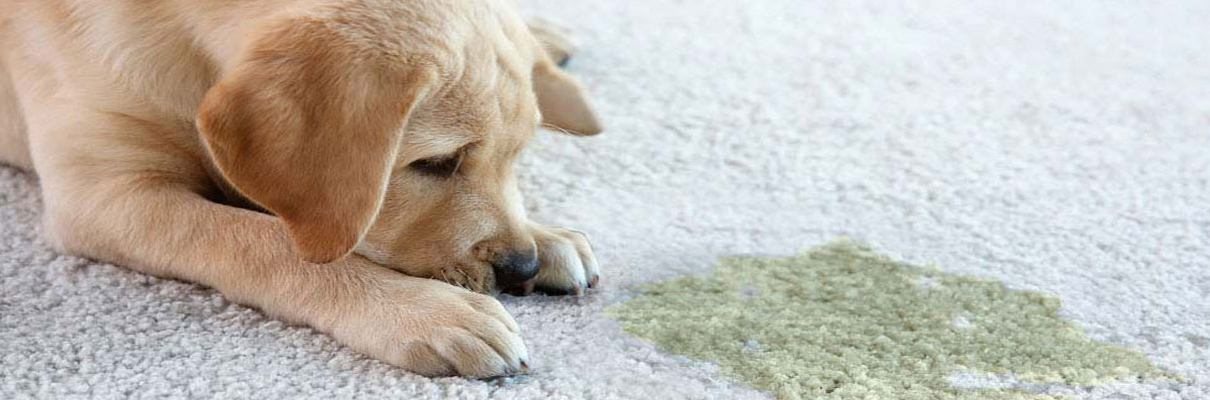
Why pet stains come back
When a pet has an accident, the liquid soaks straight through the carpet fibers into the backing and the pad, and spreads out wider than the spot you can see. Blotting and spot cleaner treat the top. The rest stays underneath, and as the carpet dries it wicks back up to the surface, which is why a stain you cleaned last week has reappeared.
Urine also changes over time. Fresh accidents are acidic. As they dry they turn alkaline and can permanently change the color of carpet dye. The sooner a stain is treated properly, the better the result.
What we treat
The best time to call. Fresh stains have the highest chance of coming out completely.
Favorite spots that have been used again and again, often by the door or in a corner.
Pet vomit can contain stomach acid and dyes from food, so it needs fast, careful treatment.
Accidents on area rugs and upholstery get methods matched to the material.
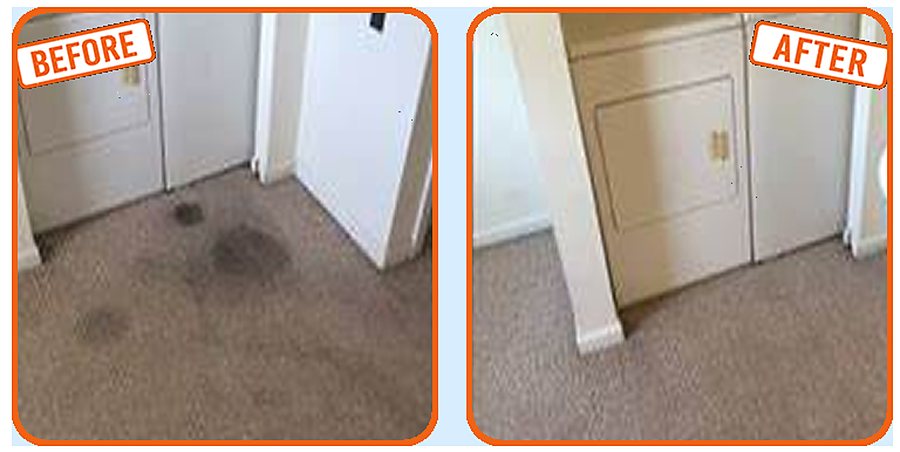
Our pet stain process
- Find every spot
We check the room with a UV light, which makes urine spots glow, including ones you can't see. That shows the visible stains and how far each one has spread underneath.
- Treat at depth
A pet-stain treatment is applied in enough volume to reach the backing and pad, not just the top of the fibers.
- Give it time to work
The treatment needs dwell time to break down the residue before it's rinsed.
- Rinse and extract
The area is flushed and extracted with strong suction to pull the residue out.
- Check and repeat
We check the result and re-treat stubborn spots where it will help.
When a stain is really damage
Some old urine spots have permanently changed the color of the carpet dye. That's color loss, not a stain, and cleaning can't put the color back. If that's what we find, we'll tell you, and carpet patching can replace the spot with a matching piece. If the area was also chewed or clawed, see pet-damaged carpet repair. Strong smell is handled with pet odor removal.
Pet stains in Florida homes
With warm weather and humidity, pet stains here start to smell faster than in drier climates, and a stain on a seasonal home's carpet can sit for weeks before anyone notices. Older pets, new puppies and rescue animals are the most common reason customers call us. If you have a pet that's still learning, a regular treatment of problem spots keeps the carpet from absorbing more each time.
Stain, odor, or damage: which do you have?
A stain is discoloration you can see. Odor is what you can smell, even if the carpet looks fine. Damage is when the carpet fibers, backing or pad are permanently affected. Many homes have all three in different spots. At the estimate we check each area and tell you which treatment it needs, so you only pay for what will actually help.
How pet stain removal is priced
Cleaning is priced by the job, so we quote it at the same free visit after we've seen the rooms and pieces. You get the exact number before we start. If you're also having carpet repaired or re-stretched, both are quoted together, and a combined visit costs less than separate trips.
What to do right after an accident
- Blot, don't rub. Press with clean white towels to absorb as much as possible.
- Use cool water, never hot, and never a steam cleaner on fresh urine. Heat can set stain and odor.
- Avoid ammonia and vinegar mixes. Ammonia smells like urine to pets and can draw them back.
- Call soon. The fresher the stain, the better it comes out.