
Why rugs need their own approach
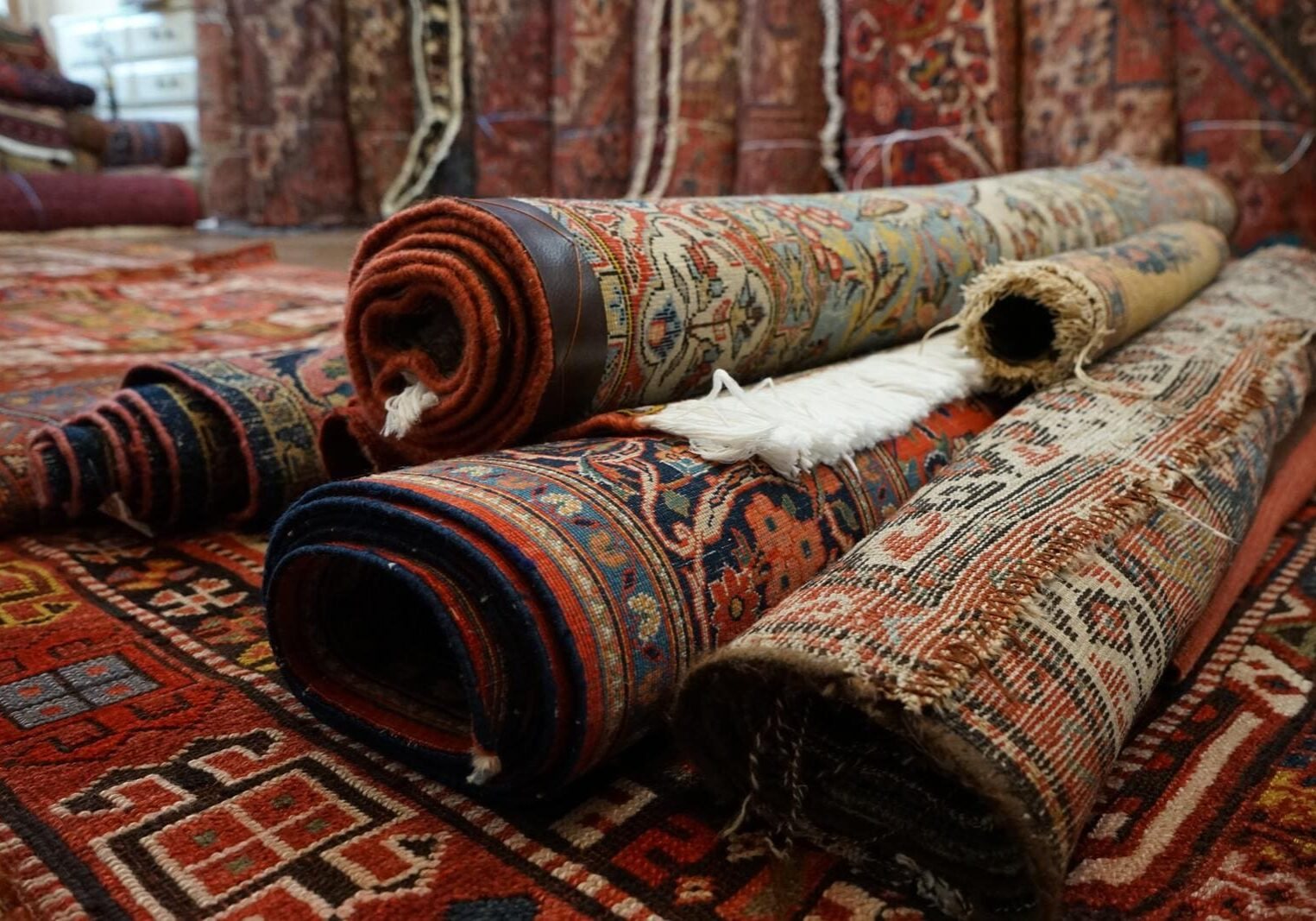
A wall-to-wall carpet is mostly synthetic fiber, glued and stitched to a backing. Area rugs are different. They can be wool, cotton, silk, viscose, jute or synthetic, hand-knotted, hand-tufted or machine-made, and many have dyes that can bleed if they're cleaned with too much water or the wrong solution. The fringe, the edges and the backing all need care too.
That's why we start every rug job by identifying what the rug is made of and testing the dyes. It decides whether the rug can be cleaned in place, which solution is safe, and how much moisture it can take.
Rugs we clean
Nylon, polypropylene and polyester rugs, the most common rugs in Florida homes.
Durable natural-fiber rugs that need gentle, wool-safe solutions and controlled moisture.
Lightweight rugs that can shrink or bleed if cleaned the wrong way.
Viscose, silk and similar fibers are easily damaged. We inspect and tell you honestly what's safe.
Our area rug process
- Identify and test
We check the fiber and construction and test the dyes in a hidden spot.
- Remove dry soil
Rugs hold a lot of sand and grit at their base. Removing it first is the most important step.
- Pre-treat spots and traffic areas
Spots and soiled areas are treated with a solution safe for the fiber.
- Clean and extract
The rug is cleaned with the right method and moisture level and extracted thoroughly.
- Fringe, grooming and drying
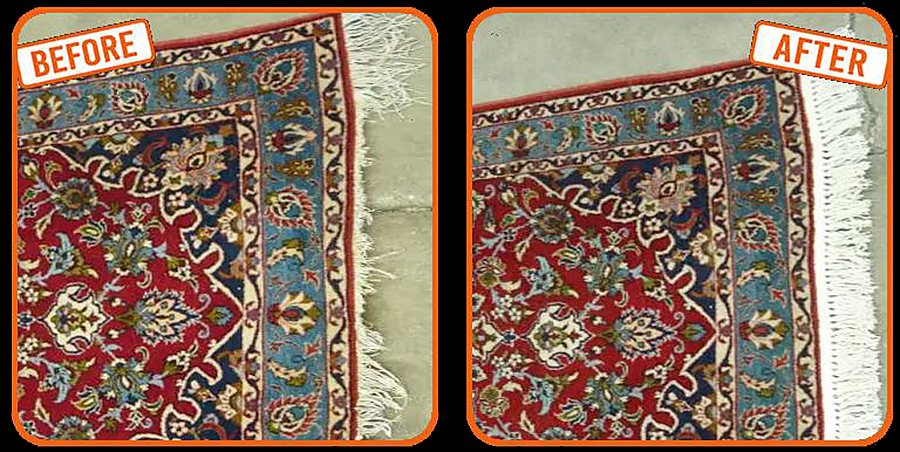
Fringe is cleaned and combed, the pile is groomed, and the rug is set up to dry.
Pets and rugs
Pets often choose area rugs for accidents, and urine can spread through a rug and into the floor underneath it. We treat rug stains with pet stain methods safe for the fiber, and if the smell has reached the floor below, we can treat that too. Strong odor is covered in pet odor removal.
What we can't promise
Some rugs are fragile. Viscose (sometimes called art silk) can lose its sheen and texture when wet, and some dyes are unstable no matter how carefully they're cleaned. If a rug isn't safe to clean, we'll tell you before we start rather than risk it.
Signs your rug needs a cleaning
- The colors look dull or the rug looks gray in traffic areas.
- Sand or grit comes out when you lift a corner and tap it.
- The fringe has turned gray or yellow.
- There's a musty or pet smell when you get close.
Most rugs in a busy home benefit from a professional cleaning about once a year. Rugs in entryways, under dining tables, or in homes with pets may need it more often. Regular cleaning removes the grit that grinds fibers down, which helps rugs last longer.
Rugs in South Florida homes
Area rugs are popular here because they warm up tile floors. They also sit right in the path of sand from the beach and pool, and in humid weather they can trap moisture and smell. Many of our customers in condos and townhomes have rugs on tile throughout, and we can clean both the rugs and the tile underneath in one visit.
How area rug cleaning is priced
Cleaning is priced by the job, so we quote it at the same free visit after we've seen the rooms and pieces. You get the exact number before we start. If you're also having carpet repaired or re-stretched, both are quoted together, and a combined visit costs less than separate trips.
Making your rugs last
- Vacuum both sides now and then to remove the grit that settles at the base.
- Rotate the rug every few months so wear and sun-fading even out.
- Use a rug pad to stop slipping and reduce wear.
- Blot spills right away with clean water, never hot water or harsh cleaners.
Got wall-to-wall carpet or tile under the rug? We can do carpet cleaning and tile and grout cleaning on the same visit.